
Brand Messaging Strategy | How to Stop Your Marketing from Sounding Like Everyone Else
You’ve already tried it. You built a website, you wrote a few blogs, you published a few ads, but it still feels like leads are low, price is an objection, and everything you draft sounds generic.
And when you look at your competitors, their messaging sounds almost identical to yours.
“We unlock solutions that empower your business.”
“We’re the experts that deliver quality care and a seamless experience.”
“We’re not just setting the bar. We’re raising it.”
This is a sign your brand lacks a messaging strategy or the one you’re using was never designed to differentiate you.
What is a brand messaging strategy?
Think of your brand as if it were a person. It has a personality in the way it looks (brand visuals) and a personality in the way it speaks (brand messaging).
A brand messaging strategy is the intentional system behind how your business communicates its value, difference, and relevance to your target audience. It guides what you say in your marketing and how you say it so your brand feels consistent, clear, and recognizable to the people you want to attract.
How do I know I need a brand messaging strategy?
Businesses and organizations without a brand messaging strategy often face the same marketing setbacks:
- Low or inconsistent visibility
- Customer confusion or disengagement
- Lack of trust or loyalty
- Difficulty attracting qualified leads
- Price sensitivity and long sales cycles
- Weak differentiation from competitors
If you’re checking one or more of these boxes, your challenge isn’t effort. It’s messaging clarity.
What’s included in a brand messaging strategy?
A complete brand messaging strategy contains both the strategic foundation and the practical frameworks used to craft your marketing. At a minimum, it features the following.
1. Audience Clarity
The first principle to understand is that not everyone is your target audience. It’s tempting to think that, but your target audience are the people who truly benefit from your product or service. This means getting clear on:
- Their current situation
- Their frustrations and pain points
- Their real goals (not surface wants)
- Their buying fears and objections
- Their internal beliefs and values
- What success looks like to them
When this person reads your copy, they should think, “Finally, someone gets me!” That recognition is the first step to trust, and trust is the first step to conversion.
2. Brand Promise
This goes beyond what you do. It defines the meaningful outcome your target audience should expect from choosing you. Strong brand promises are supported by three internal anchors that give them depth, credibility, and direction:
- Vision: Why you exist and where you’re going
- Mission: How you’re going to get there
- Values: How you show up along the way
Together, they give your brand something to stand for, something to work toward, and a standard for how you build relationships inside and out.
3. Positioning
Positioning defines your unique space in the market. It clarifies who you’re for, what problem you specialize in, and how your approach differs from the competition.
Think of it like an elevator pitch. If you only had 30 seconds to explain why someone should choose you over every other option, what would you say?
Strong positioning makes that answer clear so every person on your team can champion it.
4. Key Messaging Pillars
These are the 3–5 core ideas that every piece of content reinforces. Each pillar represents a major theme your brand wants to own, supported by proof you can build content from. These could be the main beliefs or core benefits you want people to associate with your brand.
Think of it this way, if someone followed your business for a year, your messaging pillars are the narratives they would start repeating back to other people. This is what allows your message to compound instead of reset.
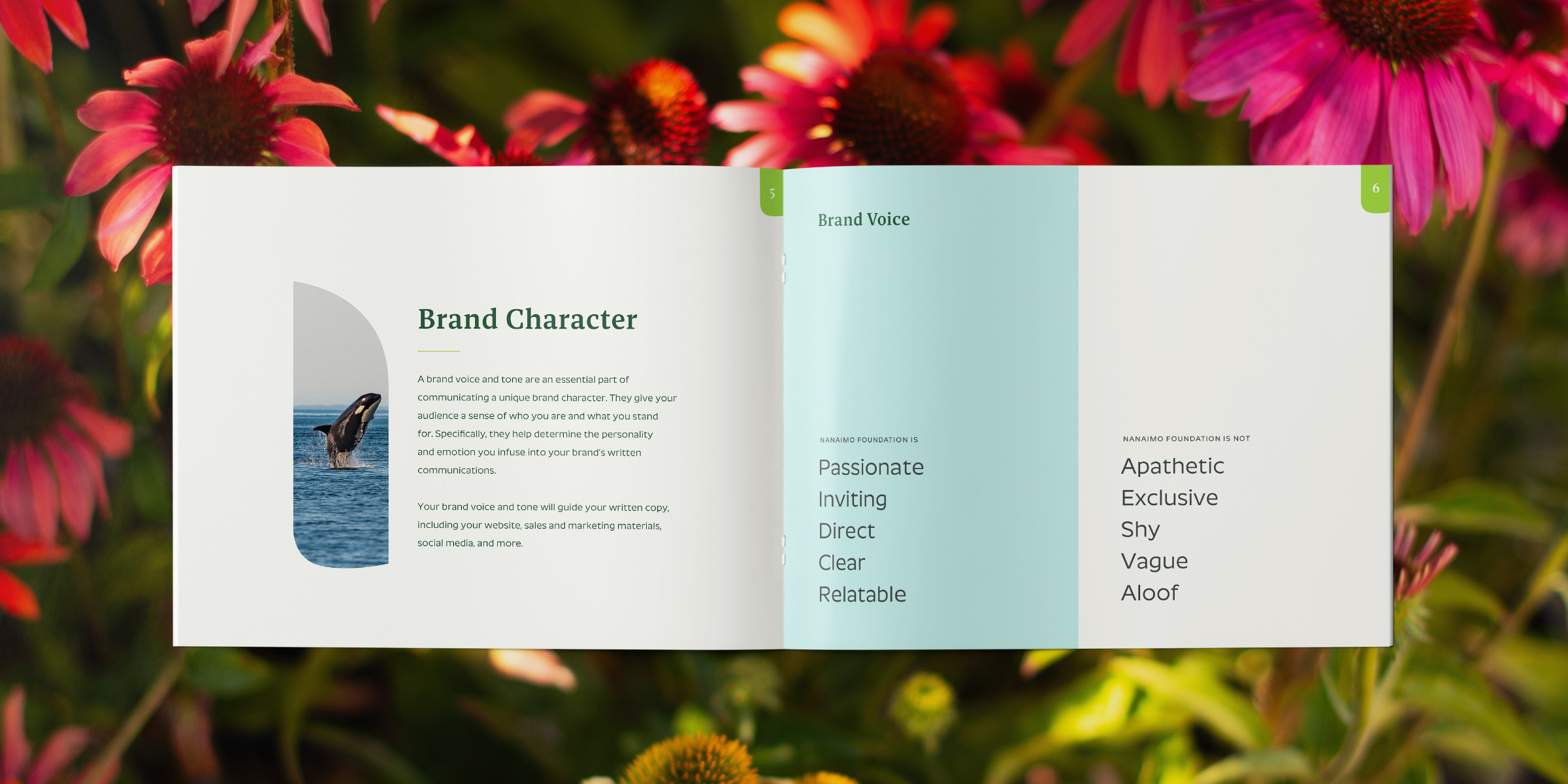
5. Voice & Tone
How you say it matters just as much as what you say. Voice defines your brand’s personality and tone adapts that personality to the situation. For example, are you confident or cautious? Bold or refined? Casual or formal?
Your brand messaging strategy should define:
- 3–5 voice attributes (with explanations)
- How tone shifts by situation
- Dos and Don’ts for writing in your voice
- Sample copy of the voice and tone in action
These are the language standards that define your brand’s personality and ensure every piece of communication feels consistent, recognizable, and aligned with how you want to be perceived.
Take the next step in your brand messaging
If you want a simple way to pressure-test your messaging, answer these three questions:
- Who is my business really for?
- What’s the number one problem we exist to solve?
- Why should someone choose us over the alternatives?
Now go ask your team or peer group to answer the same questions and compare the results. If you all come back different answers, it means your messaging needs structure.
If you’re curious about what a brand messaging strategy could look like for you, that’s exactly what our low-friction service is designed to do. Our content strategy and copywriting team can give you a clear, structured roadmap that sets your marketing team up for success. Book a free discovery call today.