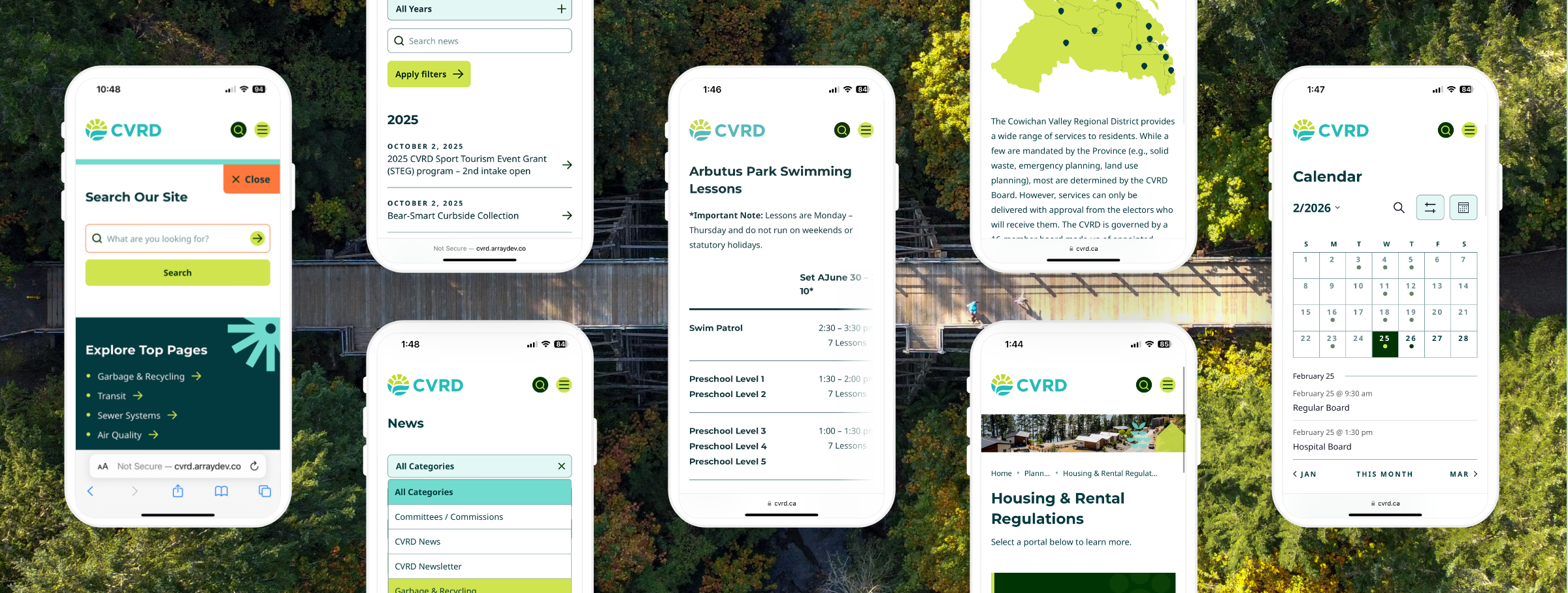
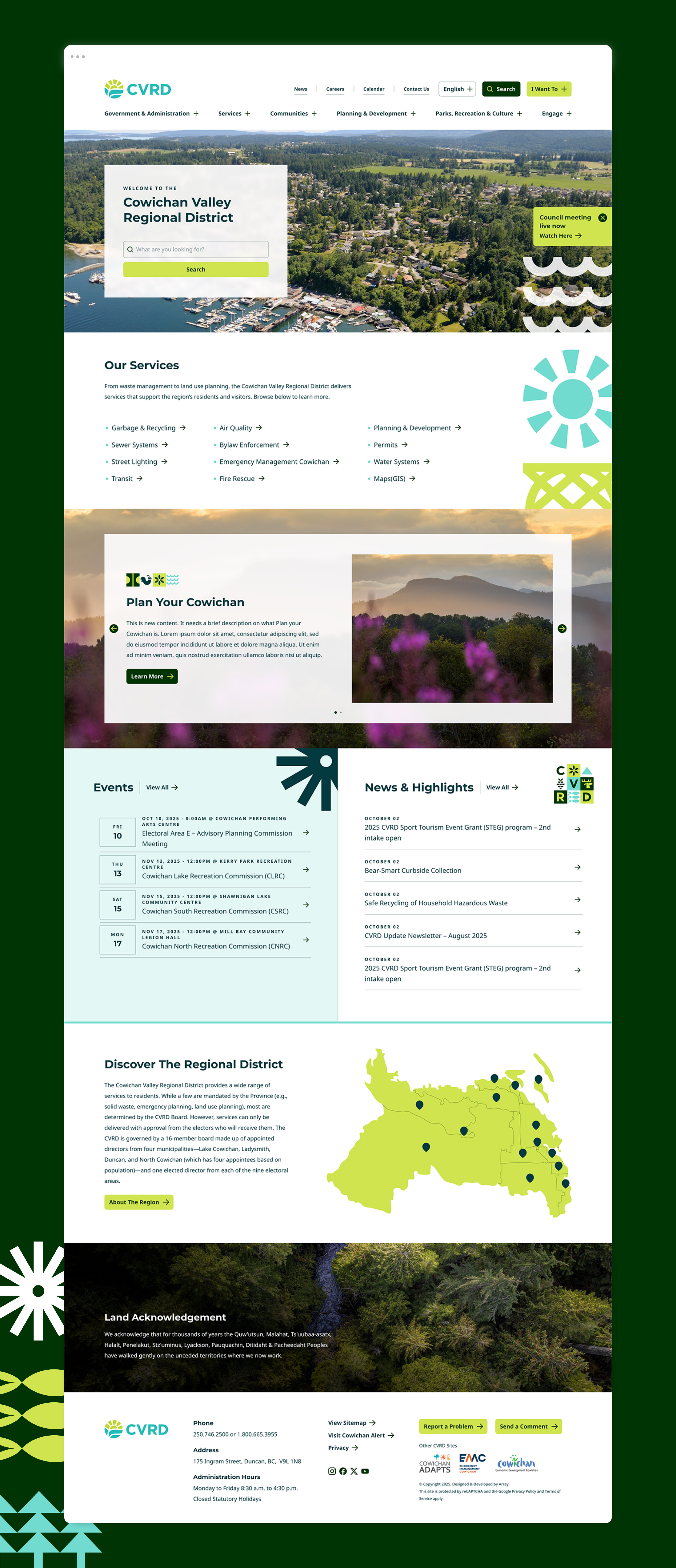
Turning a complex civic website into a clear and accessible user experience.
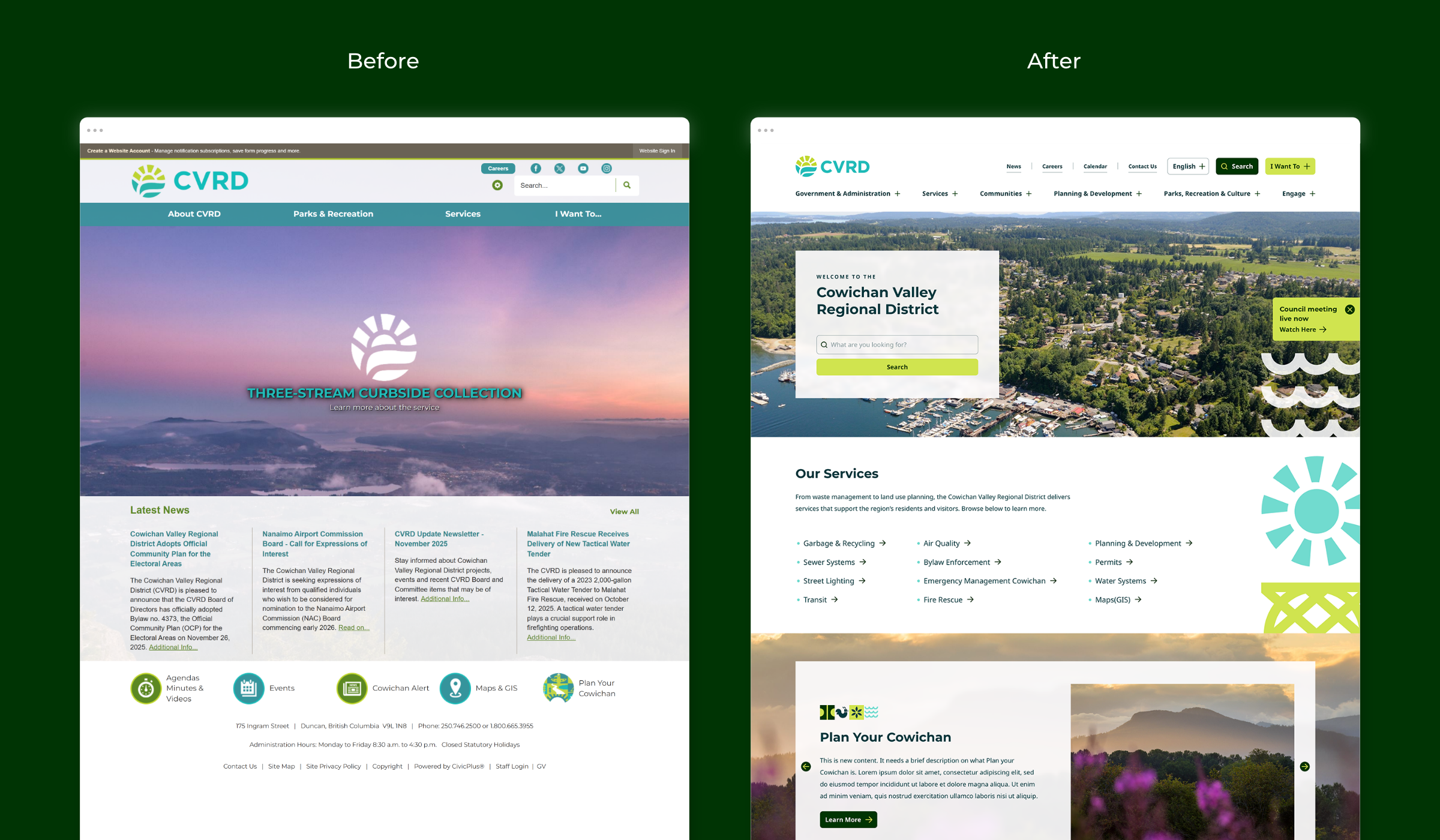
The Cowichan Valley Regional District (CVRD) is a regional government serving four municipalities and nine electoral areas across southern Vancouver Island. It’s considered home to more than 80,000 residents across the region. Its existing website had grown into a sprawling resource base that was useful but difficult to navigate, hard to maintain, and frustrating for residents who just needed quick answers. Recurring issues kept cropping up for the internal team, including poor findability, content overload, inconsistent layouts, and a backend experience that made everyday updates more challenging than they should be.
Having worked with Array on Cowichan Adapts and Emergency Management Cowichan, the CVRD enlisted our support to redesign and redevelop a website with a clearer architecture, accessible design system, and a WordPress CMS that staff could confidently maintain long after launch.
-
Brand Collateral
-
Brand Standards
-
Custom Plug-in & Functionality
-
Information Architecture Development
-
Responsive Website Graphic Design
-
Search Engine Optimization
-
UI/UX Design
-
Visual Identity System
-
Website Design & Programming
-
Wordpress & Shopify CMS Development


- To align early on what success looked like for this project, we started with a survey, stakeholder input, and an exercise to pinpoint the primary issues: residents couldn’t find information quickly and intuitively, while staff couldn’t update content efficiently.
- Leveraging this information, our digital marketing team developed a keyword analysis that helped validate top tasks (and the language people use to look for them), so page naming, headings, metadescriptions, and hub structure weren’t guesswork.
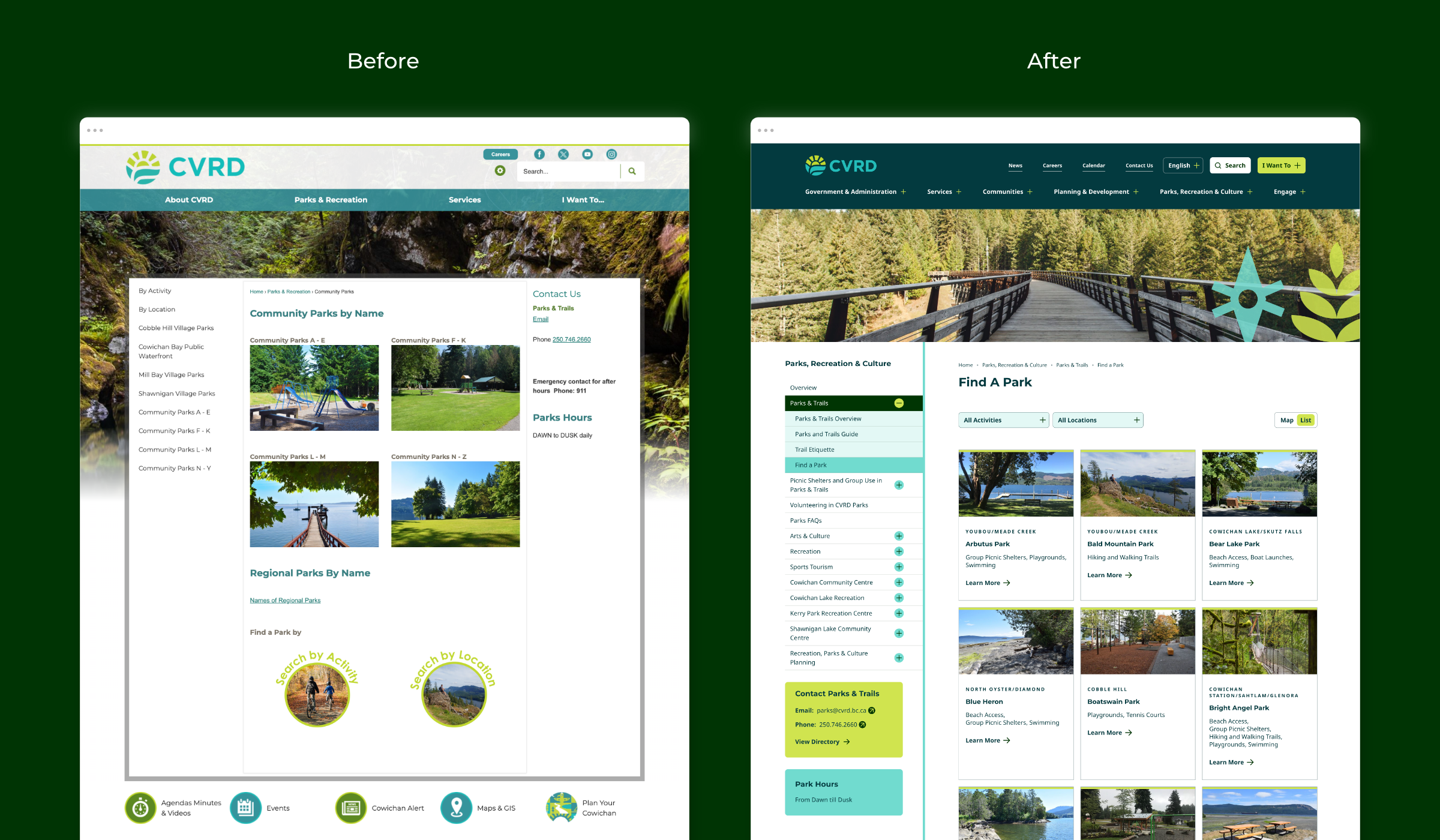
- We then put together a resident-first Information Architecture to serve as the blueprint for navigation (and pressure-tested it). Through multiple rounds of refinement, we mapped CVRD’s complex services into a structure that feels intuitive to the public. The result supported deep navigation (up to five levels) so resource-based content could still live in a logical place without overwhelming primary pathways.
- Even though our team wasn’t responsible for copywriting, we created structured content documents that made design and migration possible at scale. CVRD used these docs to drop in content, and our team used the same inputs to shape key page templates and reduce layout inconsistencies across departments.
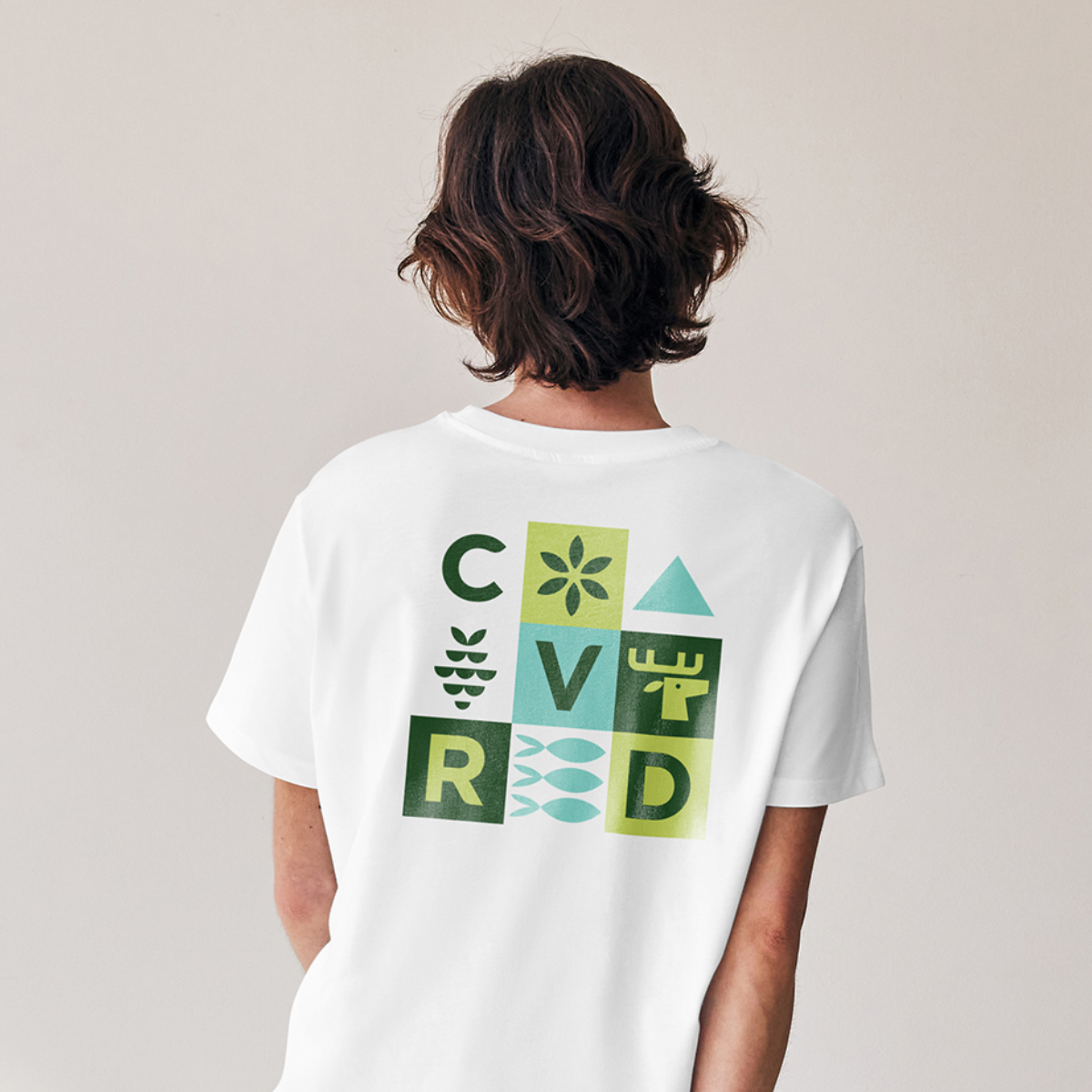
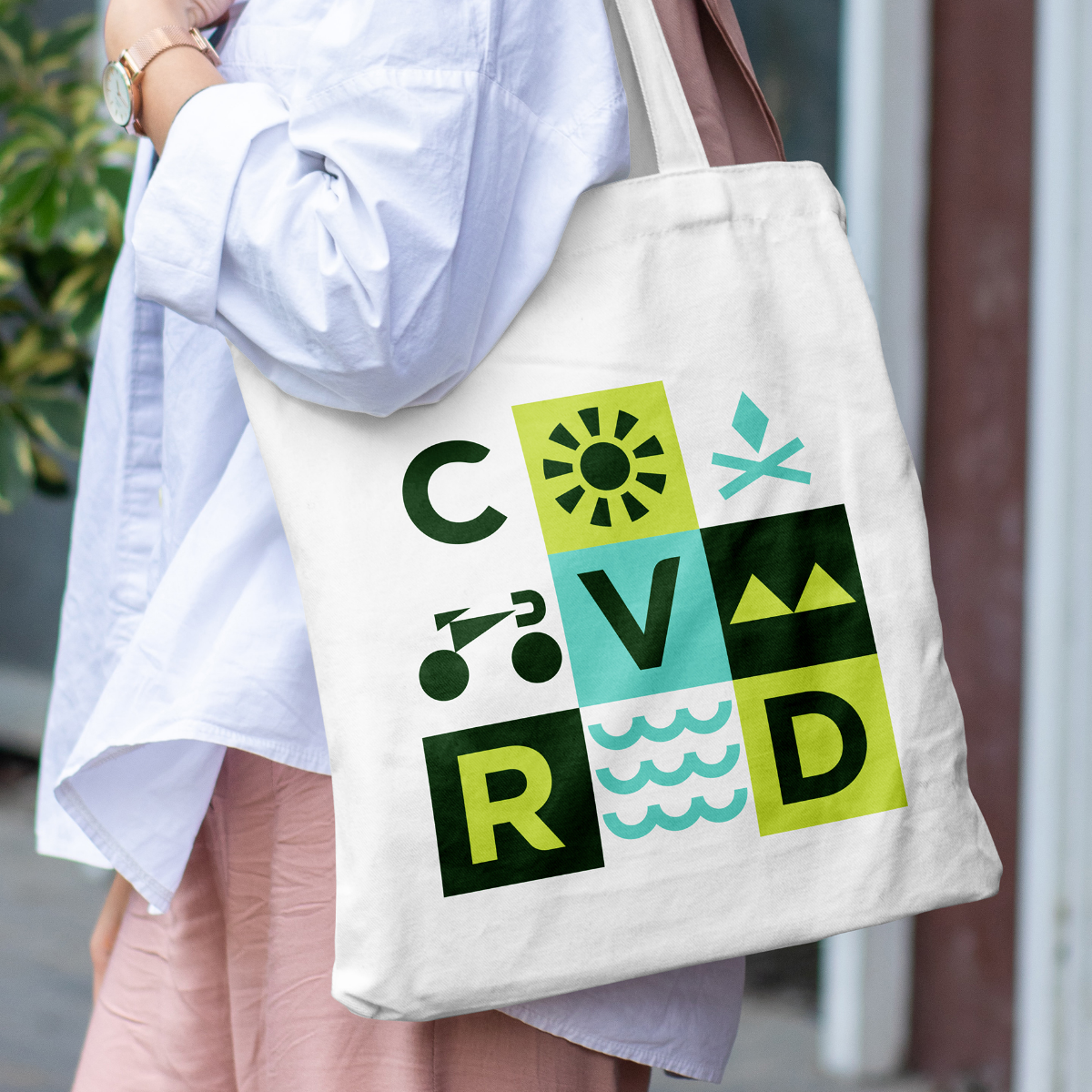
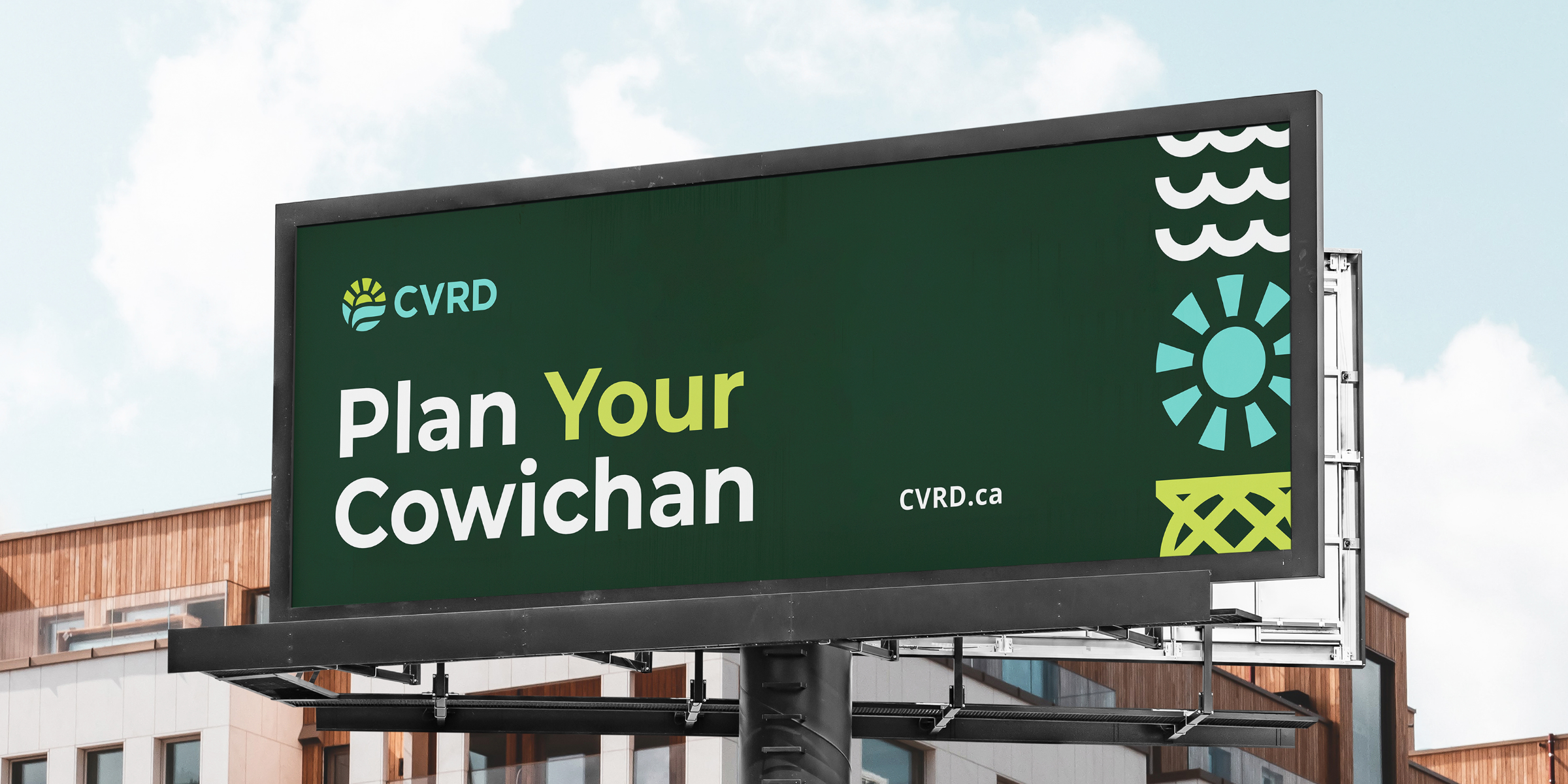
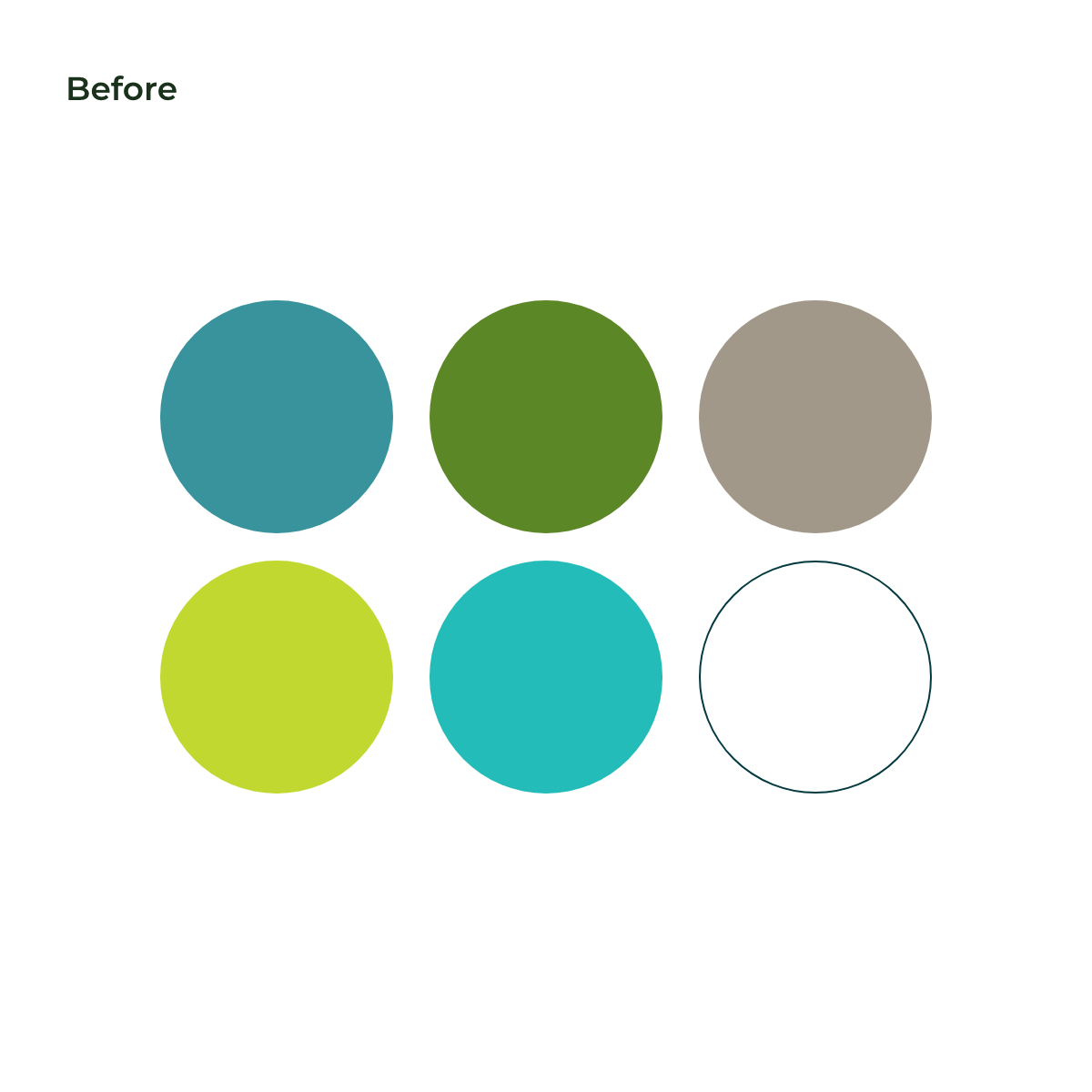
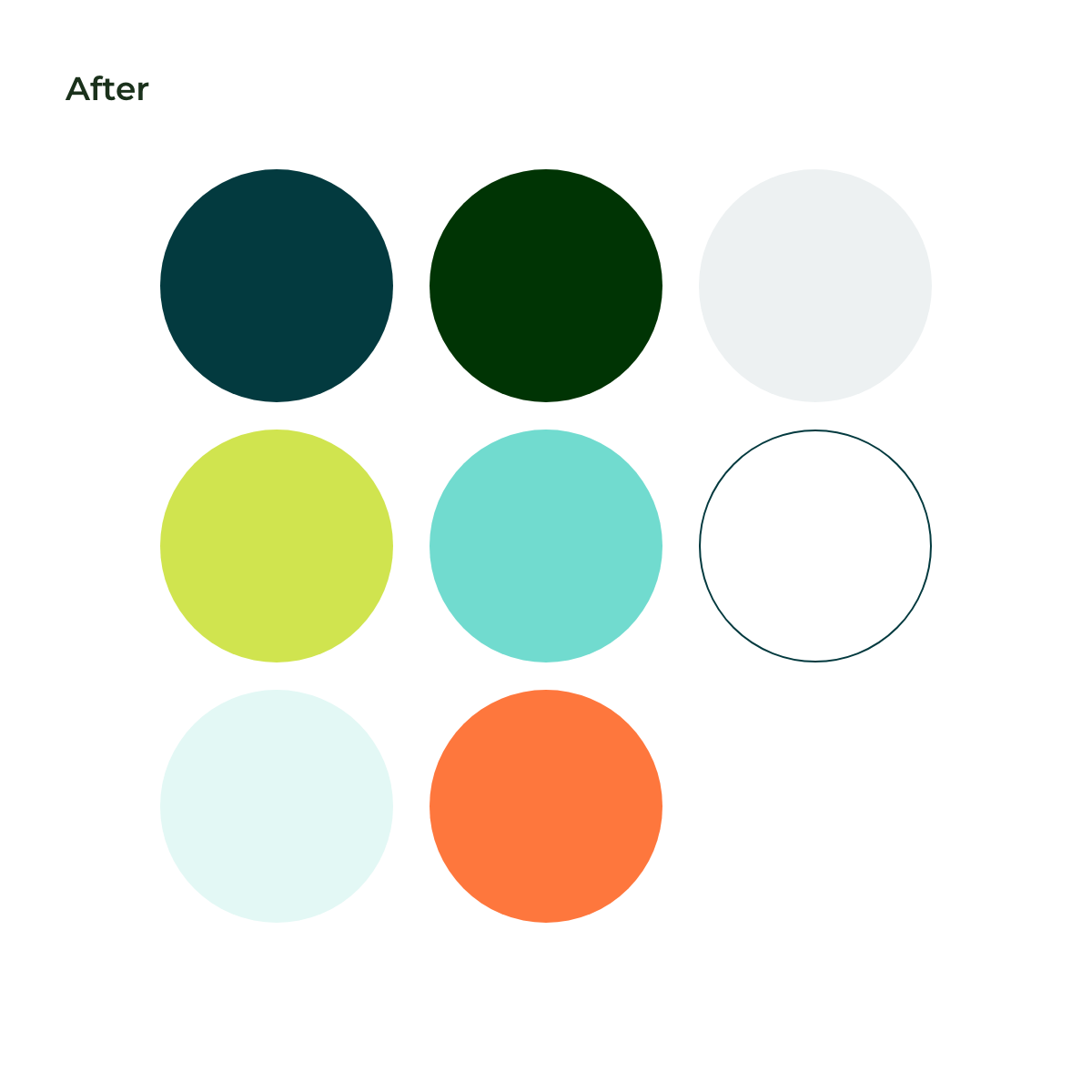
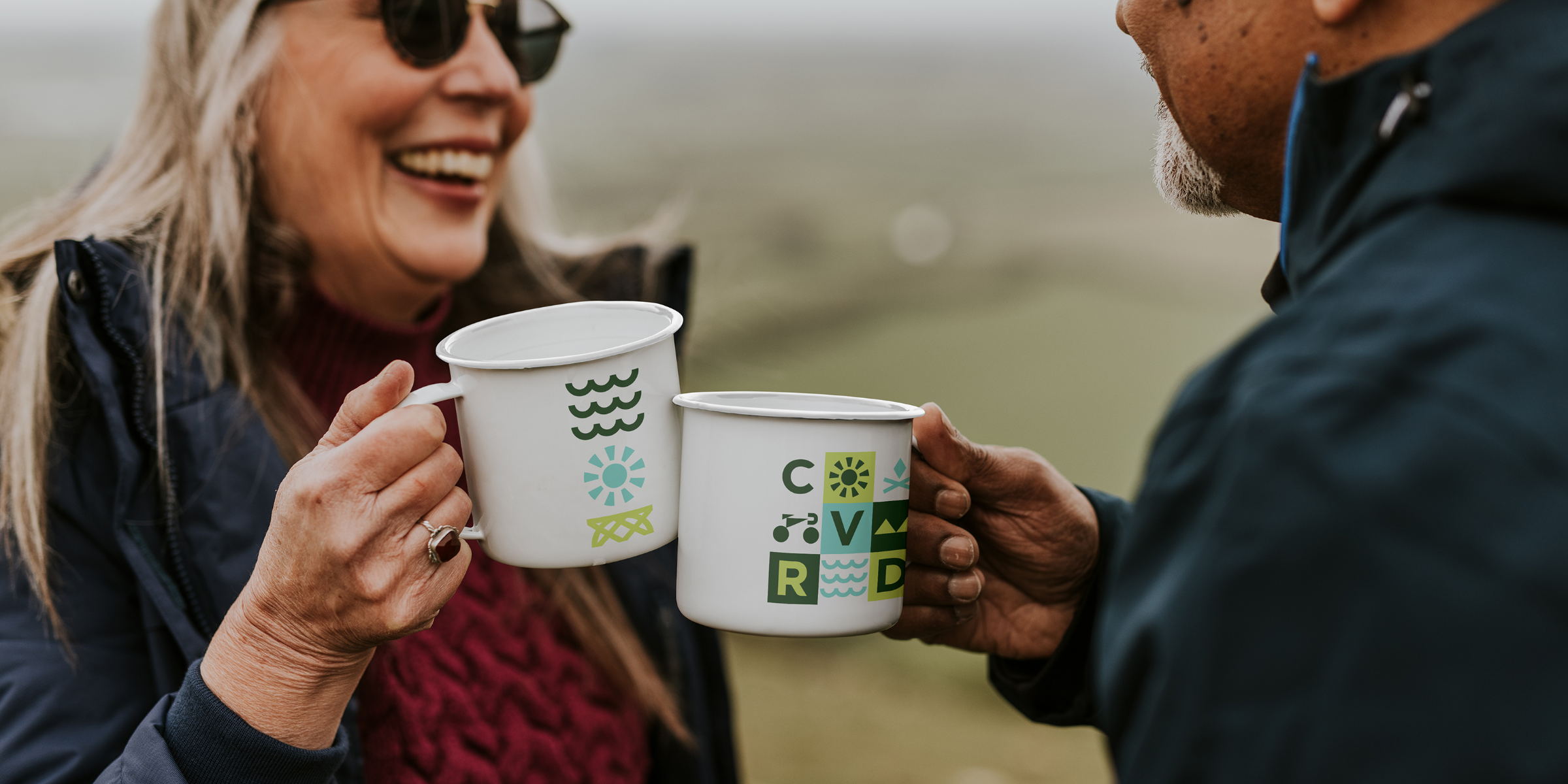
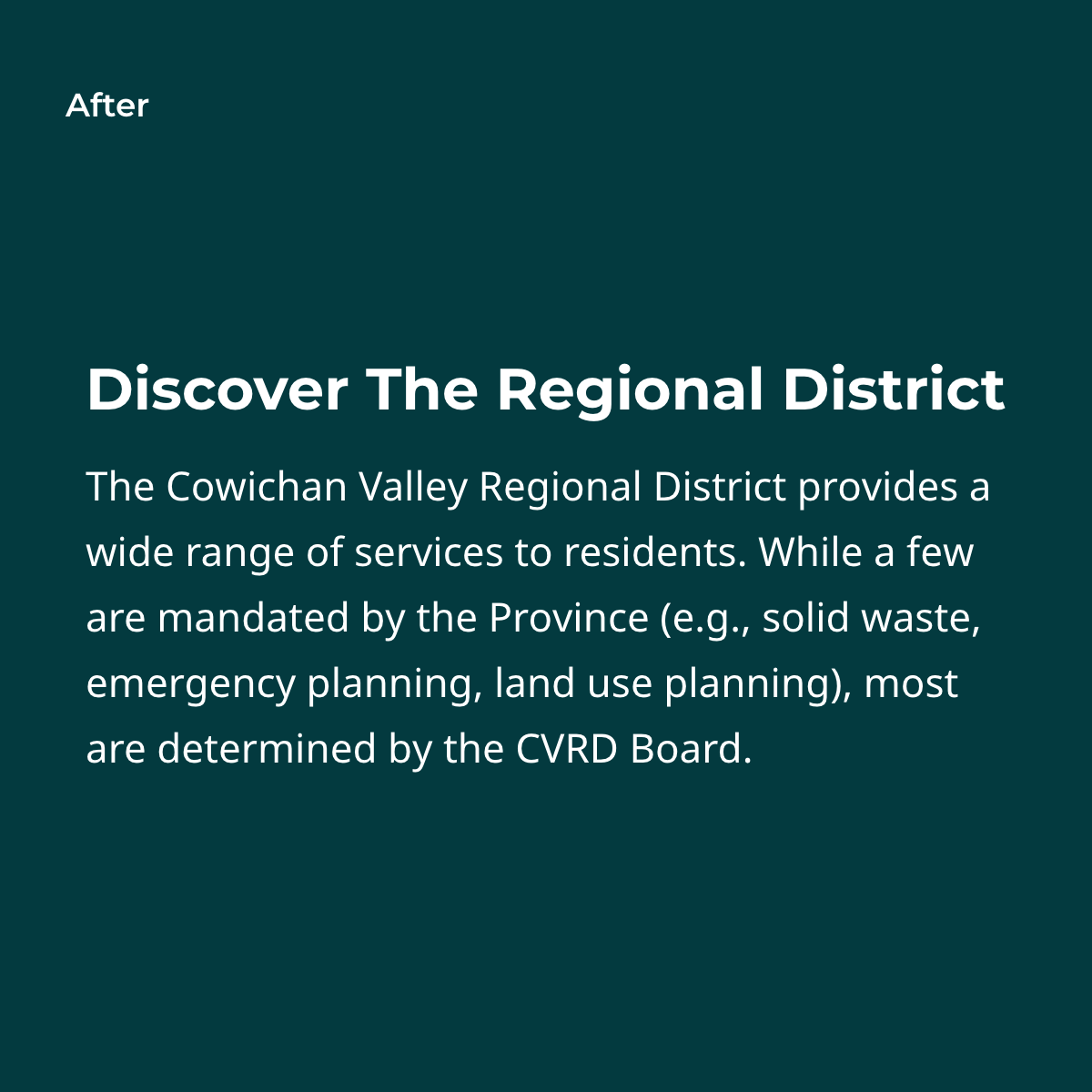
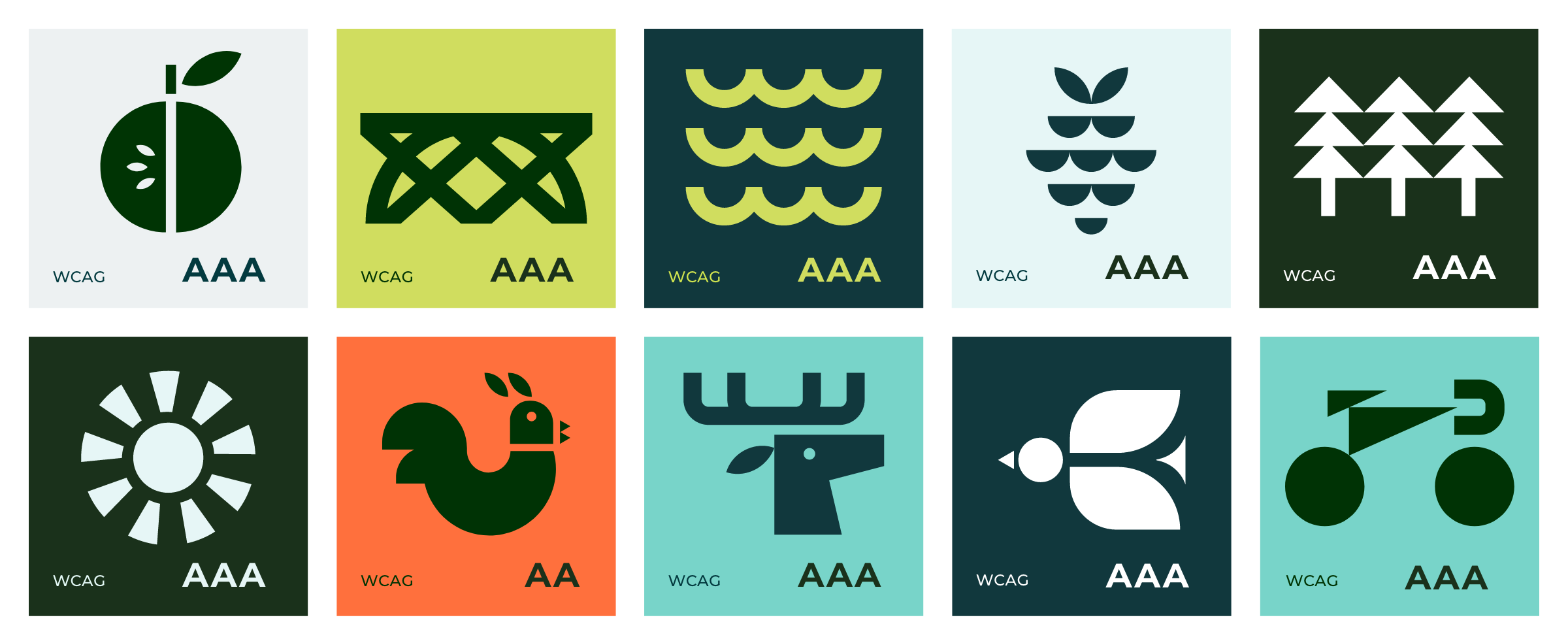
- Before starting page design, our web designers evolved the CVRD brand into a system rooted in web accessibility. We updated colour usage, typography, and brand elements with WCAG standards in mind, ensuring contrast, hierarchy, and readability were built into every template from the start. A custom iconography and pattern library was also developed to represent the diversity of communities across the district while remaining grounded in the organization’s existing identity. (Fun fact, we even made the CVRD team swag too!)
- From there, our web designers designed a Gutenberg-first template system that stays consistent over time. Most pages are made to work as modular block patterns, so when CVRD adds new pages, featured content blocks (including quick links, bullet lists, callouts, and galleries) work together and the site design stays cohesive. Classic editor support remained available where needed.
- We made website wayfinding faster with purposeful content modules. To reduce time-to-task and keep pages scannable, we built a set of repeatable, sitewide components including Quick Links (with homepage “I Want To” shortcuts and key services), sidebar navigation with related links modules, and FAQ sections with clear “next step” guidance.
- We also added high-impact UI features that support real civic use. This included a rotating homepage banner that randomizes content on page load, page-specific pop-up callouts for timely and contextual updates, and media galleries that support visual storytelling and program promotion.
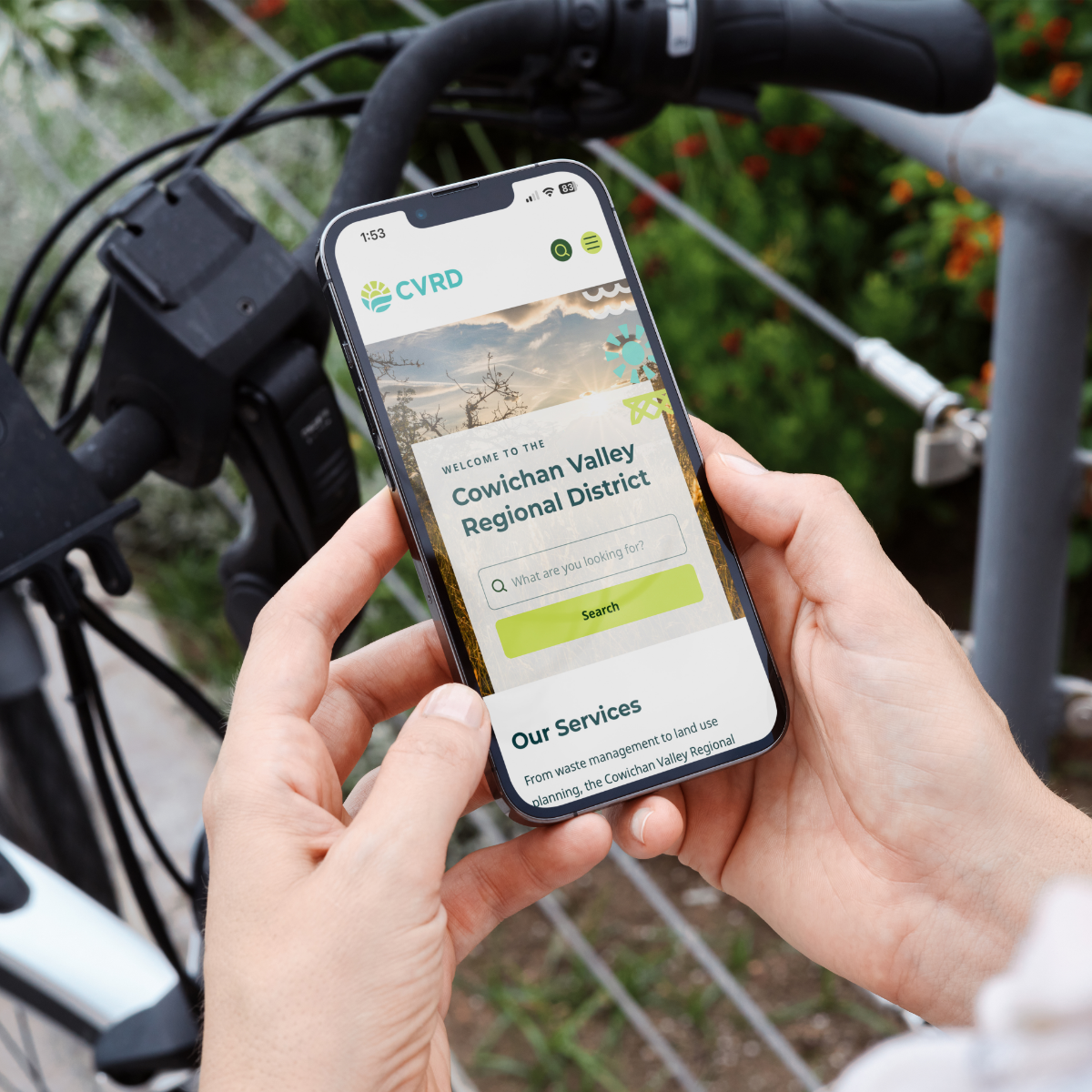
- Once the design was approved, our web developers built the entire site on a custom WordPress theme, ensuring the website maintains responsive performance across devices. Our team implemented core infrastructure residents expect from a modern government site, including a Contact Directory, Documents/Resource Library, Meetings & Agendas, Events Calendar, News/Public Notices, and sitewide notifications.
- To ensure content is easily managed in the backend, our programmers developed custom post types (including Parks, Water Systems, and Sewer Systems) with structured templates to support content scale without becoming disorganized.
- We also developed a custom Form Centre using post types that allow staff to create, tag, and publish forms with supportive content across the site. In total, we built 43 custom forms, giving CVRD a strong foundation and the ability to create and manage new forms with less friction.
- Beyond building media galleries for visual storytelling, we customized the WordPress Media Library with an added folder-based organization layer based on CVRD’s existing site’s folder structure. Staff can now sort and find images, documents, and assets directly inside the library instead of digging through one file list.
- Our web developers integrated tools that residents and staff rely on, including robust on-site search, mapping/iMap integration, analytics tracking, and additional integrations where required (e.g., newsletter/subscriptions, online payments, employment postings, bids/tenders).
- As part of our scope, we handled content insertion and migration of almost 400 pages, including legacy pages that were previously hidden but actively used as a records base. This preserved institutional knowledge while improving findability across the new architecture.
- Finally, we delivered a CMS handoff designed for independence. We provided Gutenberg CMS training, a brand/style reference, and a web style guide so CVRD staff could confidently publish, update, and expand the site post-launch.
Since launch, we continue to support CVRD with hosting and maintenance to ensure the website remains secure, reliable, and able to evolve alongside the organization’s needs. We’re proud of our ongoing partnership and the positive response from both the community and the CVRD team.